







Root Canal Treatment
What is Root Canal Treatment?
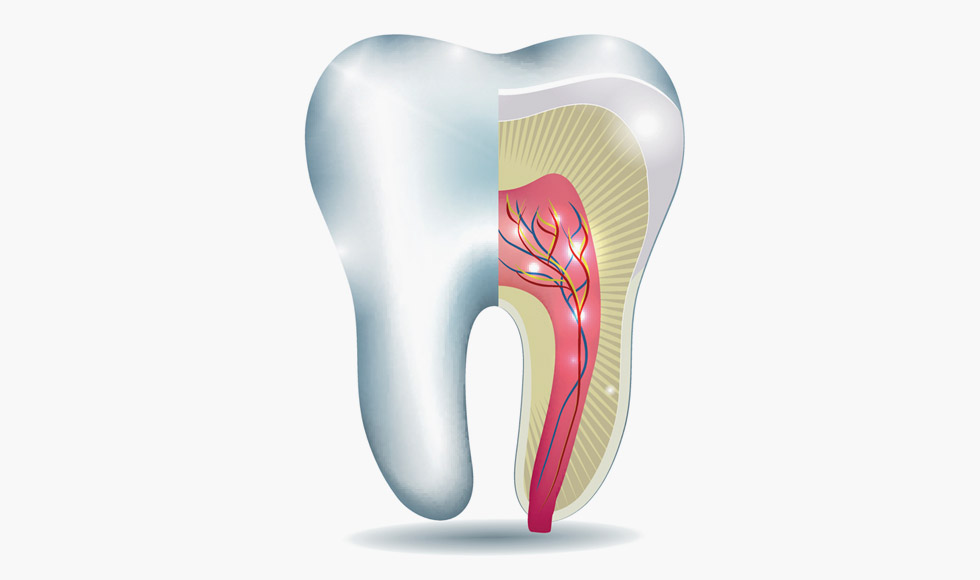
Endodontic procedures, also known as root canal treatment, are performed to maintain the lifespan of an infected, dying or dead tooth.
- Root canal treatment is a routine dental procedure that aims to retain teeth that may otherwise need to be removed due to infection or damage. The soft tissue inside your tooth, known as the pulp, can become infected due to deep decay, trauma, or a cracked tooth. Your skilled dentists in Banbury will remove the infected dental pulp and carefully clean and shape the root canals.
- We know that the words ‘root canal’ can make some people feel nervous as it’s often seen as one of the more daunting dental treatments. But the reality is quite different, as root canal treatment is a routine, effective way to relieve pain and save your natural tooth.
- Although the appointment can be a little longer than a filling appointment, you will be numbed in the same way so it should be relatively painless. With modern techniques, gentle care, and our focus on your comfort, most patients find the experience far easier than they expected.
When Is Root Canal Treatment Needed?
If you’ve been experiencing any of the signs or symptoms listed below, you may require root canal treatment.
- Severe toothache or throbbing pain
- Sensitivity to hot or cold that lingers
- Swelling or tenderness in nearby gums
- Darkening or discoloration of the tooth
- A persistent pimple or bump on the gums near the tooth root
- Trauma or injury causing deep damage to a tooth
Book an appointment at Cherwell Heights Dental Care in Banbury and your dentist will identify the cause of your issues and whether root canal treatment is appropriate.
What is the Root Canal Treatment Procedure?
1
Examination
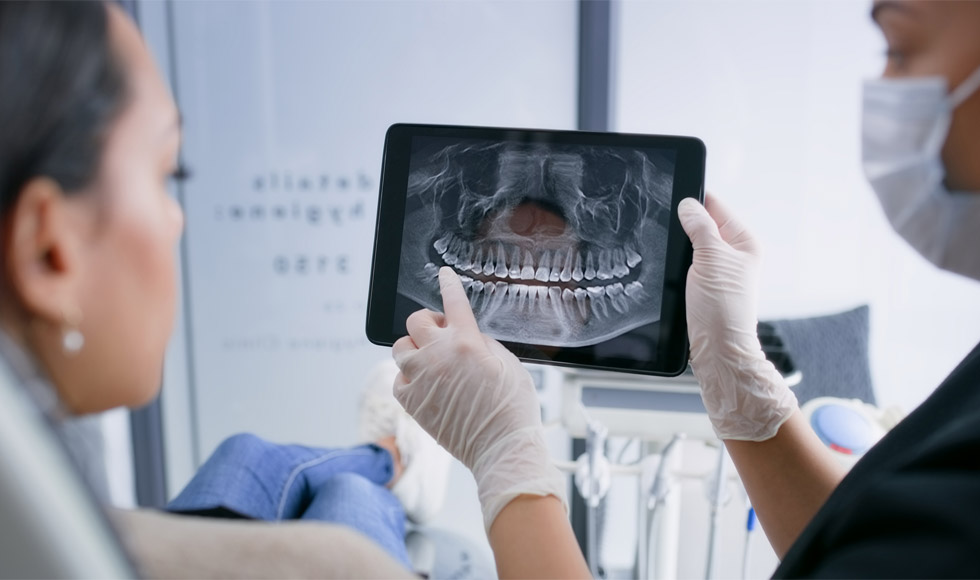
Your dentist will begin by carefully examining the affected tooth and taking x-rays to assess the extent of the infection.
2
Numbing
A local anaesthetic is used to numb the area completely, ensuring the procedure is as comfortable as possible.
3
Protection
A protective rubber dam sheet is placed around the tooth to keep it dry and isolated during treatment.
4
Cleaning & Disinfecting
Once the tooth is fully numb, the infected pulp is gently removed. The inside of the tooth is then thoroughly cleaned and disinfected using an antibacterial solution to eliminate any remaining infection.
5
Filling & Sealing
Finally, the tooth is filled and sealed. In most cases, a temporary filling is placed first, while a custom-made crown is prepared to restore the tooth’s strength, function and natural appearance. A crown is usually recommended because root filled teeth tend to be weaker than normal healthy teeth.