






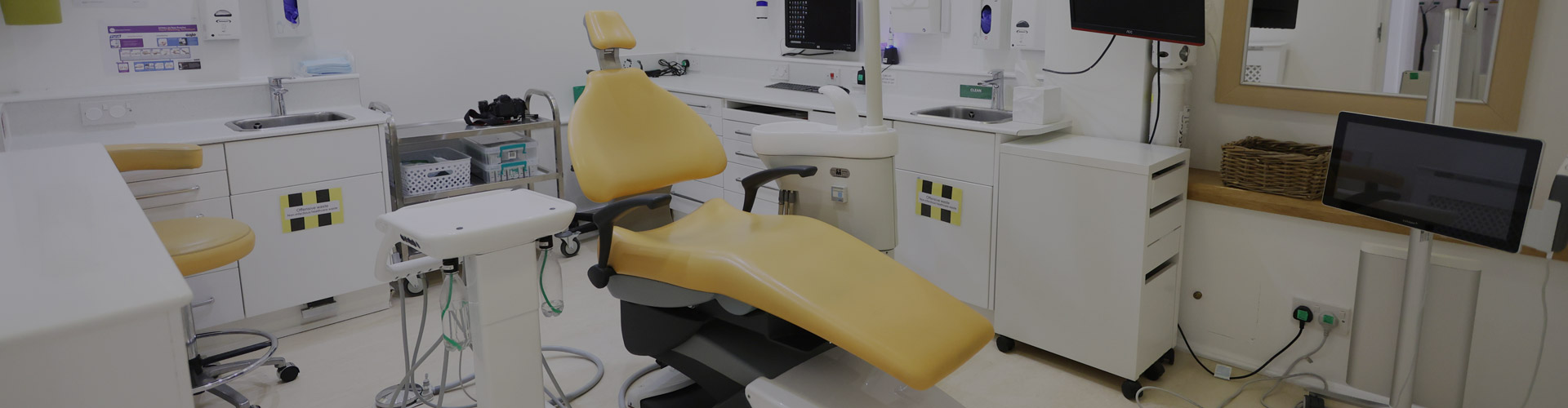
Routine Examination
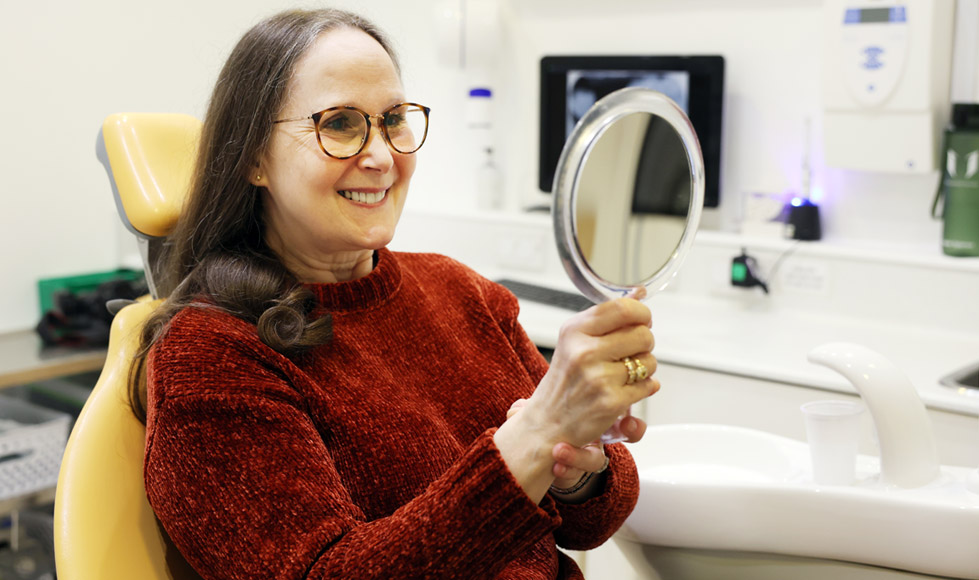
Enjoy a healthy, fresh mouth
Looking after your teeth is about more than just achieving an attractive smile, it’s also essential to maintaining a healthy mouth and preventing future dental problems. At Cherwell Heights Dental Care in Banbury, your oral health is our priority, which is why we provide thorough dental check-ups.
- Regular examinations help keep your smile in excellent condition and allow us to identify and address any concerns early, before they become more serious.
- Our experienced dentists always listen to your concerns and explain your options should you need treatment. Even if you haven’t been to the dentist for a long time, please don’t worry.
- We take the time to make you feel comfortable and never judge, our aim is to make you feel stress-free at every step.
- We welcome patients for dental check-ups from Banbury, Chipping Norton, Bicester, Brackley and surrounding areas.
Your initial dental examination
- Medical and Dental History Review – it’s important to understand your medical background, for example medications you’re taking, conditions or allergies, as well as previous dental treatments, all of which can influence your oral health.
- Visual Oral Examination – inspecting your teeth, gums, tongue and other oral tissues for signs of decay, disease, or abnormalities.
- Periodontal Evaluation – assessing the health of your gums and supporting structures, this may involve periodontal charting to measure pocket depths and detect early signs of gum disease.
- Occlusion Analysis – evaluating the alignment of your teeth and bite to identify issues that could lead to wear, discomfort or temporomandibular joint disorders.
- Oral Cancer Screening – examining the oral cavity for signs of cancerous or precancerous conditions, which is crucial for early detection and treatment.
- X-rays – used where necessary to detect hidden dental problems such as cavities, bone loss or impacted teeth.
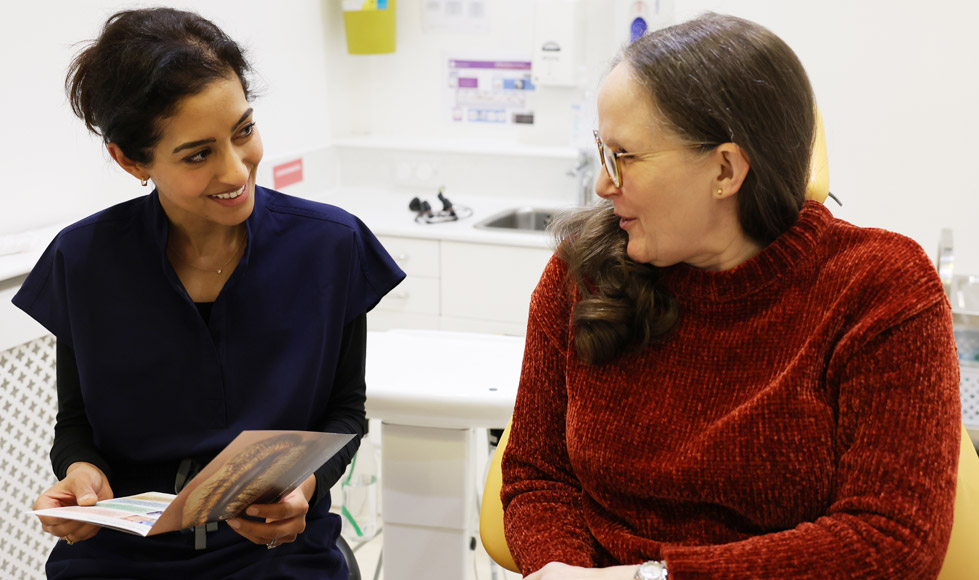
Benefits of regular Dental Check-ups
Regular visits ensure a healthier, brighter smile

Early Detection
We can identify dental issues at an early stage, allowing for early intervention and preventing more severe problems.

Personalised Treatment Planning
Check-ups help us to create accurate tailored treatment plans that address the needs and concerns of our patients.

Preventive Care
We believe that prevention is better than cure, so we advise you on preventive measures to maintain and improve your oral health.

Education
We inform on proper oral hygiene practices and lifestyle choices that impact dental health.
FAQs Routine Examinations
How often should I have a dental check-up?
We usually recommend an oral health assessment every six to twelve months. However, this can vary depending on your individual oral health, lifestyle and risk factors. Your dentist will advise you on the most suitable schedule for you.
What happens during my first check-up at Cherwell Heights Dental Care?
At your initial appointment, your dentist will review your medical and dental history, carry out a thorough examination of your mouth, take any necessary X-rays, and talk you through their findings and any recommended treatment options.
Are routine examinations painful?
No, check-ups are generally non-invasive and pain-free. You may notice a slight sensation during certain checks, such as gum measurements, but this should not be uncomfortable.
Why are X-rays sometimes needed during a check-up?
X-rays allow your dentist to identify issues that can’t be seen during a visual exam, such as decay between teeth, bone loss or impacted teeth, ensuring a complete and accurate assessment.
Can a routine examination detect oral cancer?
Yes, screening for oral cancer is a routine part of the assessment. Your dentist will check for any unusual lumps, sores, or changes, helping with early detection and prompt treatment.